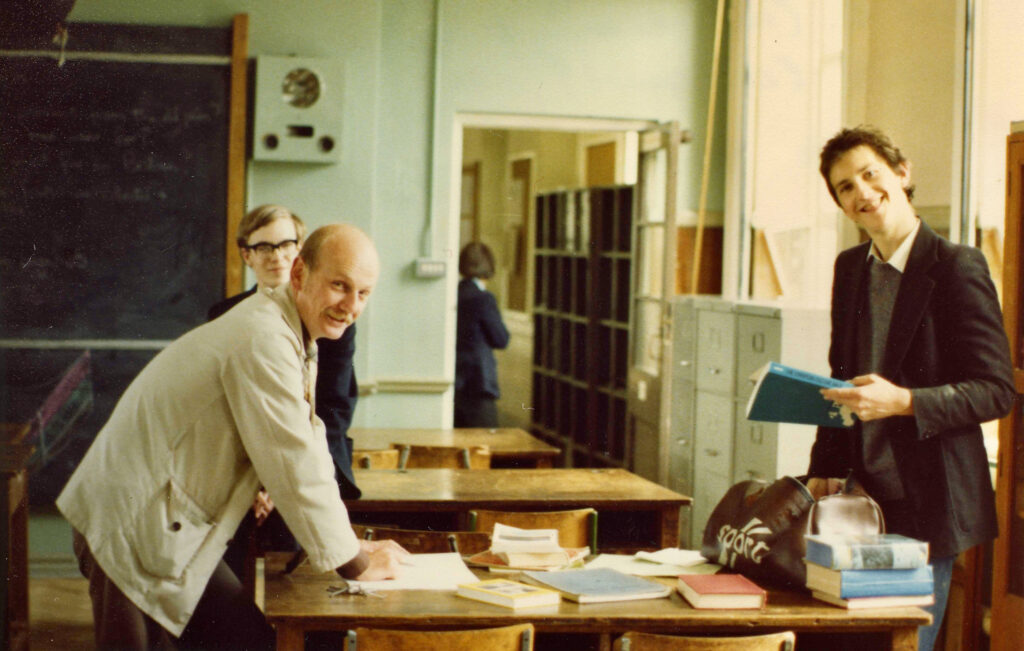
We never held a popularity poll for BHCHS staff. If we had, the name John Loveridge would have appeared very close to the top. By the time he arrived at the school, in 1967, my failure in O Level Geography was a fresh and painful memory. But my sixth form contemporaries spoke highly of this teacher, who could have passed as one of us had he worn school uniform. They raved about his unconventional, enthusiastic, and totally fresh approach. Little did they know that just 22 years later he would be one of a small group of staff who remained loyal to the school while it went through its agonising demise.
John Loveridge was born in Nuneaton on 21st June 1945 and spent his first 12 years in the market town of Bedworth. The middle of three children, he had an older sister and a younger brother. At around the time John began his secondary education, the family moved to a small village in Leicestershire. John attended Dixie Grammar School in Market Bosworth From early childhood he had displayed an affinity with nature. On his father’s side, there were gypsy roots going back through the generations. It is from this strong connection with the land that his love for geography, geology and meteorology began.
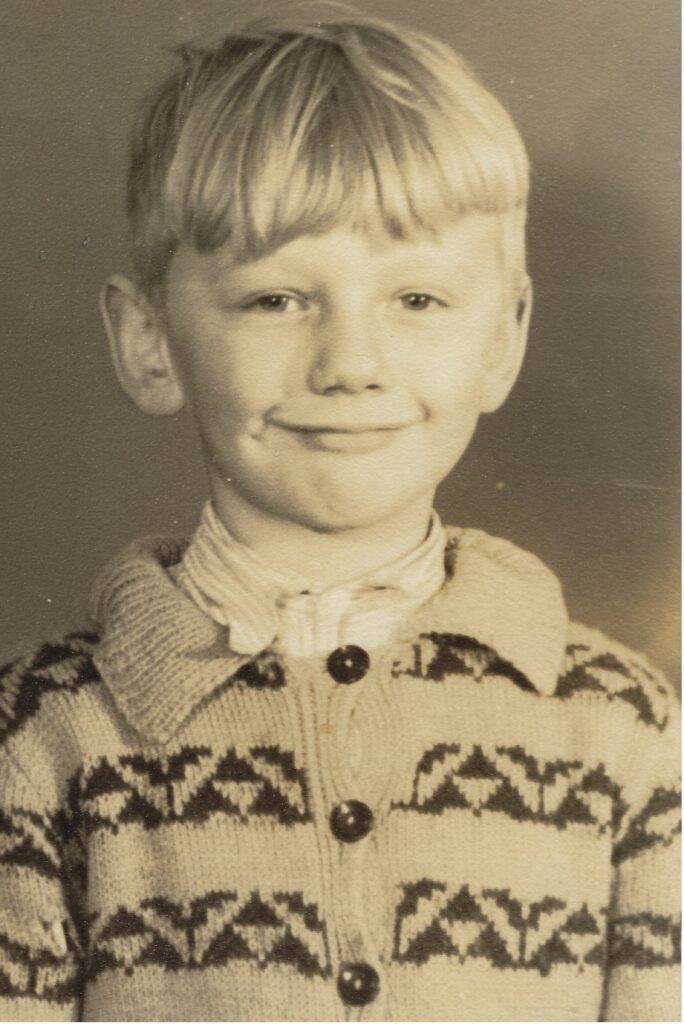
At Dixie Grammar, as well as excelling at his studies he also developed a great interest and skill in tennis. As he neared the end of his time at school, there was even a possibility that he might have been coached towards becoming a professional tennis player. But his father simply said there weren’t the funds for both university and tennis lessons, and so John made the decision to stick with his studies and read Geography at London University.
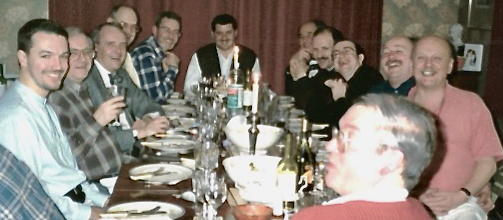
It was after his university days where John really came to terms with being gay and exploring what that meant in terms of his identity. The significant change in the law, occurring just a few weeks before John’s first term at BHCHS, made little difference to the entrenched attitudes of the time. But John met a group of friends, and they became known as the Tuesday Group, for the decades to come for where they developed true friendship like a family one that saw them through their working days in London and retirement in Norfolk.
Leading school trips had always been an expectation for geography staff, and John’s contribution was immediate and typically enthusiastic. But before long, his interest and breadth of knowledge in music and drama began to make its mark in other areas of life at BHCHS. Giving a talk to the Sixth Form Music Society in his first year, the secretary noted that John made some frank “confessions of an opera maniac.” A couple of years later, he joined other staff on the BHCHS stage in The Drunkard, only the second staff play in the school’s history. His performance as a downtrodden hero was highly commended.
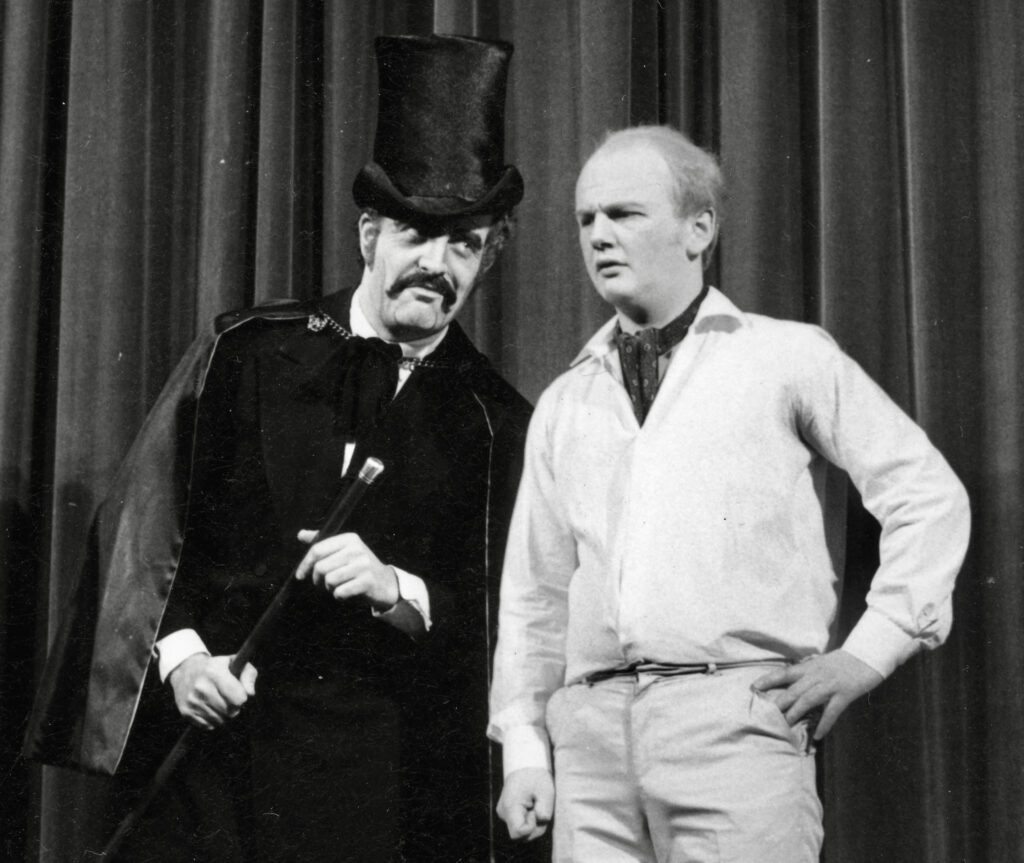
The following year, again in the company of his colleagues, he took part in a performance of Mozart’s Toy Symphony at a school concert. The staff were provided with a set of obscure instruments, and the audience were so impressed with John’s playing of the nightingale they demanded a solo encore.
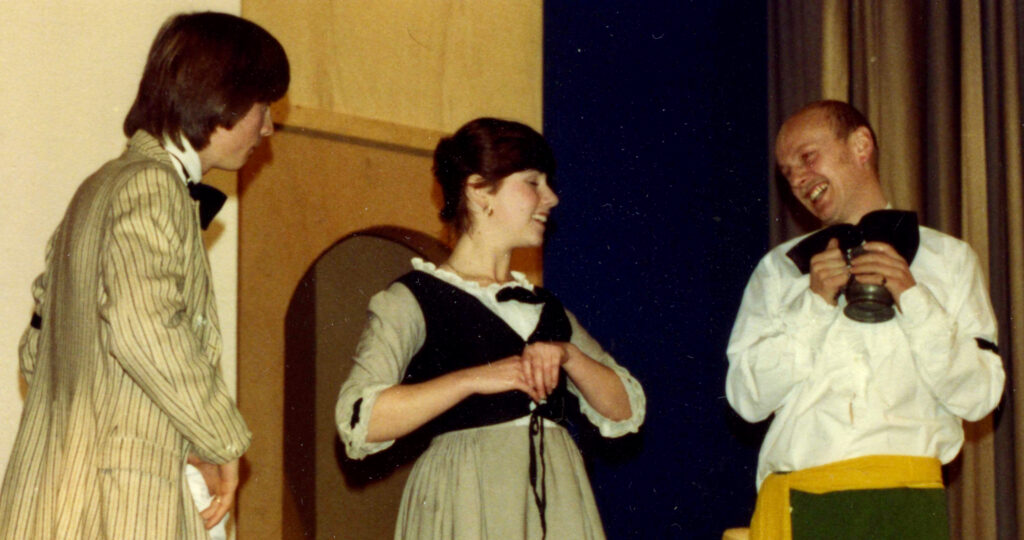
A very unusual event happened in 1972 and it was remembered in a Facebook post 50 years later by David Richards (BHCHS 1969-76). Click HERE to view the item. The visit of 3X was mentioned in the Roding magazine that year. The demise of the school magazine severely curtailed our archives of music and drama in later years but we are lucky to have a set of photos from Twelfth Night, performed in 1980.
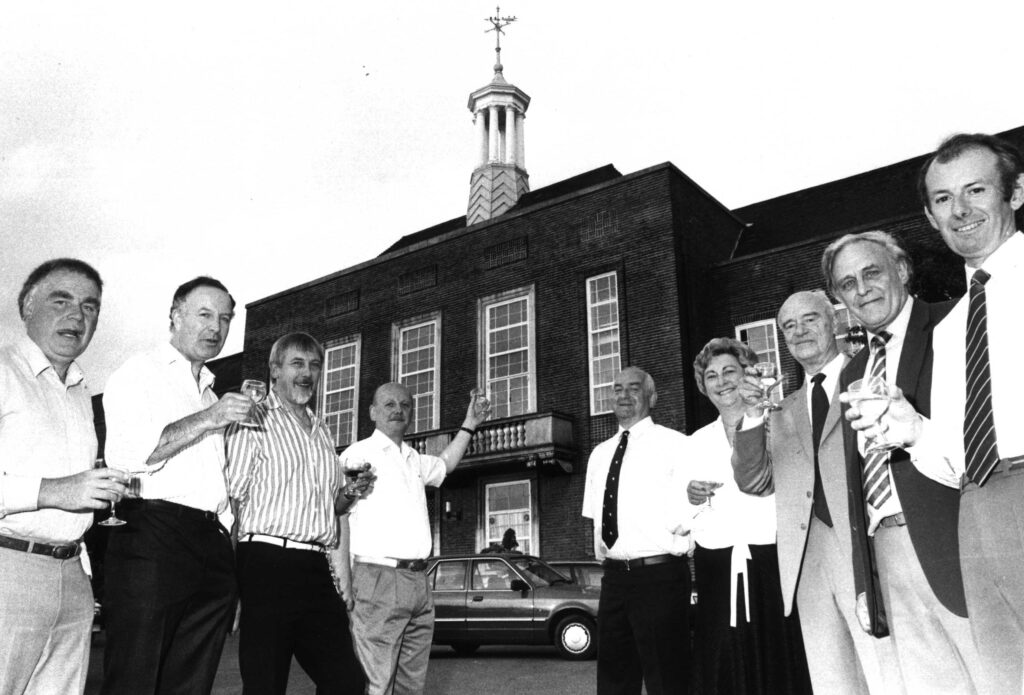
The closure of the school magazine in 1973 pales into insignificance compared with the greater tragedy that ended with the destruction of our school 16 years later. John was among the teachers who chose to stay at Roding Lane through all those uncertain times in the hope that the school would survive and eventually thrive. He was not alone in struggling with the changes. By the time Hugh Colgate retired, and the closure of BHCHS had become an open secret, John was only 40 years old. An age when most professionals might have expected opportunities for further career development. But the shambolic reorganisation had left an indelible mark on John, and he took early retirement when the school finally closed. John was among the group of staff who managed a toast to BHCHS.
Thanks to his ongoing friendship with Ruth Prior (English 1975-82) he received an unexpected opportunity, in 1991, to return to teaching. Ruth had moved to Brentwood School and needed to take some time off recovering from surgery. Knowing that John’s vast knowledge extended to literature, she suggested to the Head that he should be considered as an English supply teacher covering her absence. Then, after her return, he successfully applied for a permanent position to teach geography. The resumption of his original career was short lived, and he retired permanently in 1995.

One benefit from his return to teaching was meeting Sheila Edwards, another member of staff at Brentwood. Sheila became a close friend, and often a travelling companion, for the remainder of his life. She gave a warm and moving eulogy at John’s funeral, and we are grateful to her for allowing us to share it HERE.
After leaving Brentwood, he moved to Norfolk to care for his elderly mother. Then following her death, he resumed travelling. For the final decade of his life, John was able to spend time exploring and enjoying many far-flung areas of the world.

Here are some additional resources that you may wish to explore:
Tributes/memories from some of John’s former BHCHS pupils.
Acknowledgements
We are grateful to the following: Ross Loveridge, John’s nephew for contributing to this and supplying many fine photos, Sheila Edwards for allowing us to publish her eulogy, Ruth Prior for sharing her memories of John, and David Richards for some great ideas for additional material.
Leave a Reply